
Pulsar is a node101 project built to bring the strengths of zero knowledge into the broader architecture of blockchain systems. Rather than being designed for a single ecosystem, Pulsar combines the cryptographic efficiency associated with Mina and the modular, interoperable design space enabled by Cosmos to produce something larger: a framework that makes zk-based systems more usable, more connected, and more scalable across the entire onchain world.
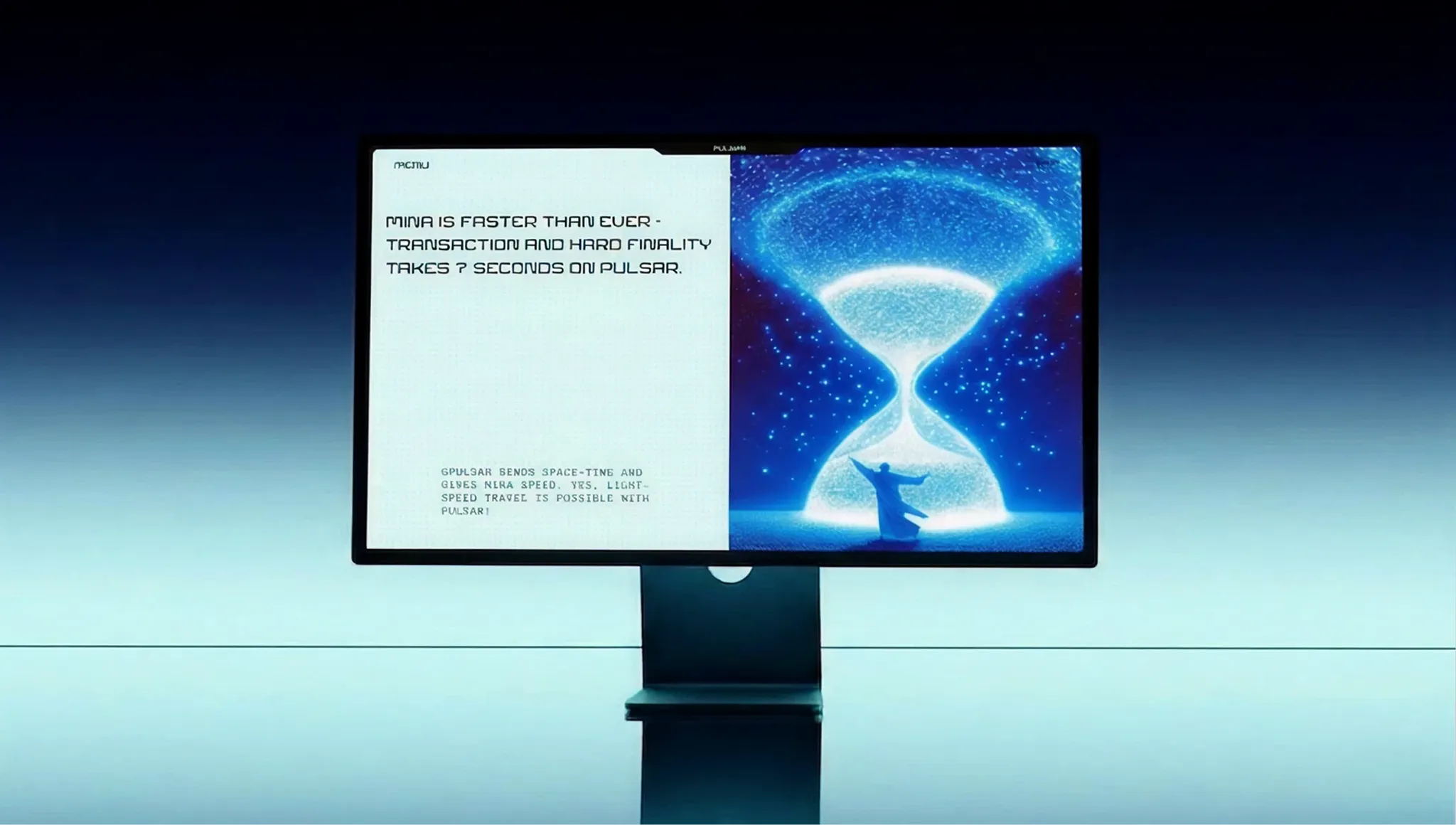
The core idea behind Pulsar is not to serve one chain, but to solve a wider infrastructure problem. Blockchain networks still struggle with the same trade-offs between verification, scalability, interoperability, and usability. Pulsar approaches this by treating zero knowledge not as a niche feature, but as a foundational primitive. Its goal is to bring zk succinctness into real blockchain architecture, so that networks, applications, and users can move across more complex systems without losing verifiability or efficiency. This direction is consistent with the current internal work on Pulsar, including Mina-native proving, validator and public-key mappings, signature verification, and transaction flows that embed Mina signatures into Cosmos SDK payloads.
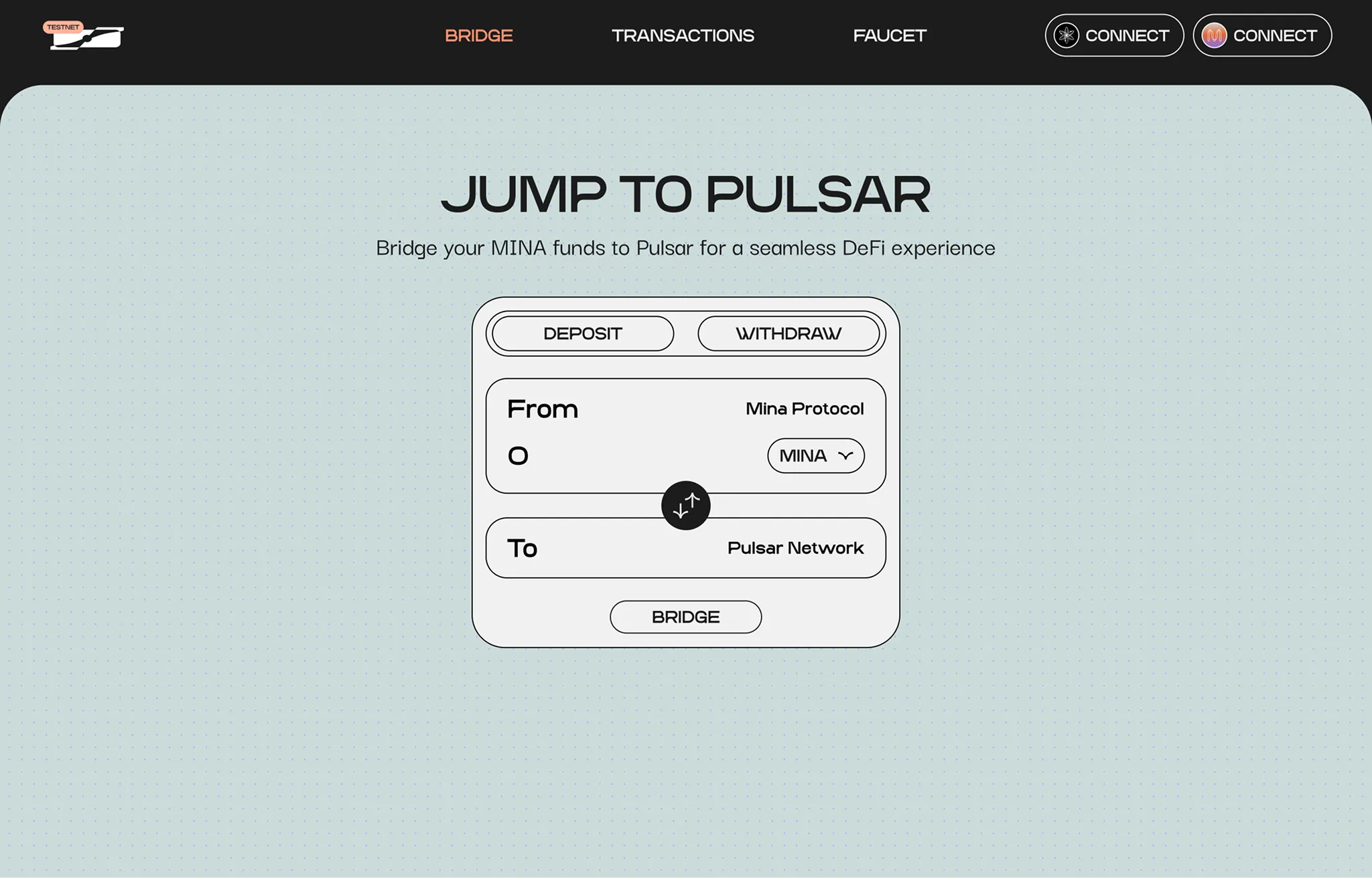 Mina's first DeFi products are built on Pulsar!
 This is also where Pulsar's bridge layer becomes strategically important. The bridge is not just a transfer mechanism between two environments, but a way of turning zk-powered infrastructure into something economically and operationally useful. By connecting into the Cosmos universe and, through IBC, into a wider networked asset landscape, Pulsar helps create the conditions for a genuine DeFi surface around zk-enabled systems. Internally, node101's current work explicitly frames the bridge module as important enough to be reimplemented for Phase 2, both because the first version was rushed and because the next stage requires stronger logic and functionality.
What makes Pulsar meaningful, then, is not that it extends Mina or integrates Cosmos. It is that it uses the best properties of both to produce a more general solution for blockchain infrastructure. In that sense, Pulsar is a claim about the future of the industry: zero knowledge should not remain confined to isolated applications or single ecosystems. It should become a shared infrastructural layer for the whole blockchain world, making systems more succinct, more interoperable, and more capable by design.
View More Work






Do you want to build an unordinary product?
Reach us